When should a child have an orthodontic assessment?
The right time depends on the child's development. A parent can request an assessment if they have concerns about the bite or tooth alignment.
An orthodontic assessment can help review a child's developing teeth and bite. The need for treatment and its timing vary from child to child.
Request a consultation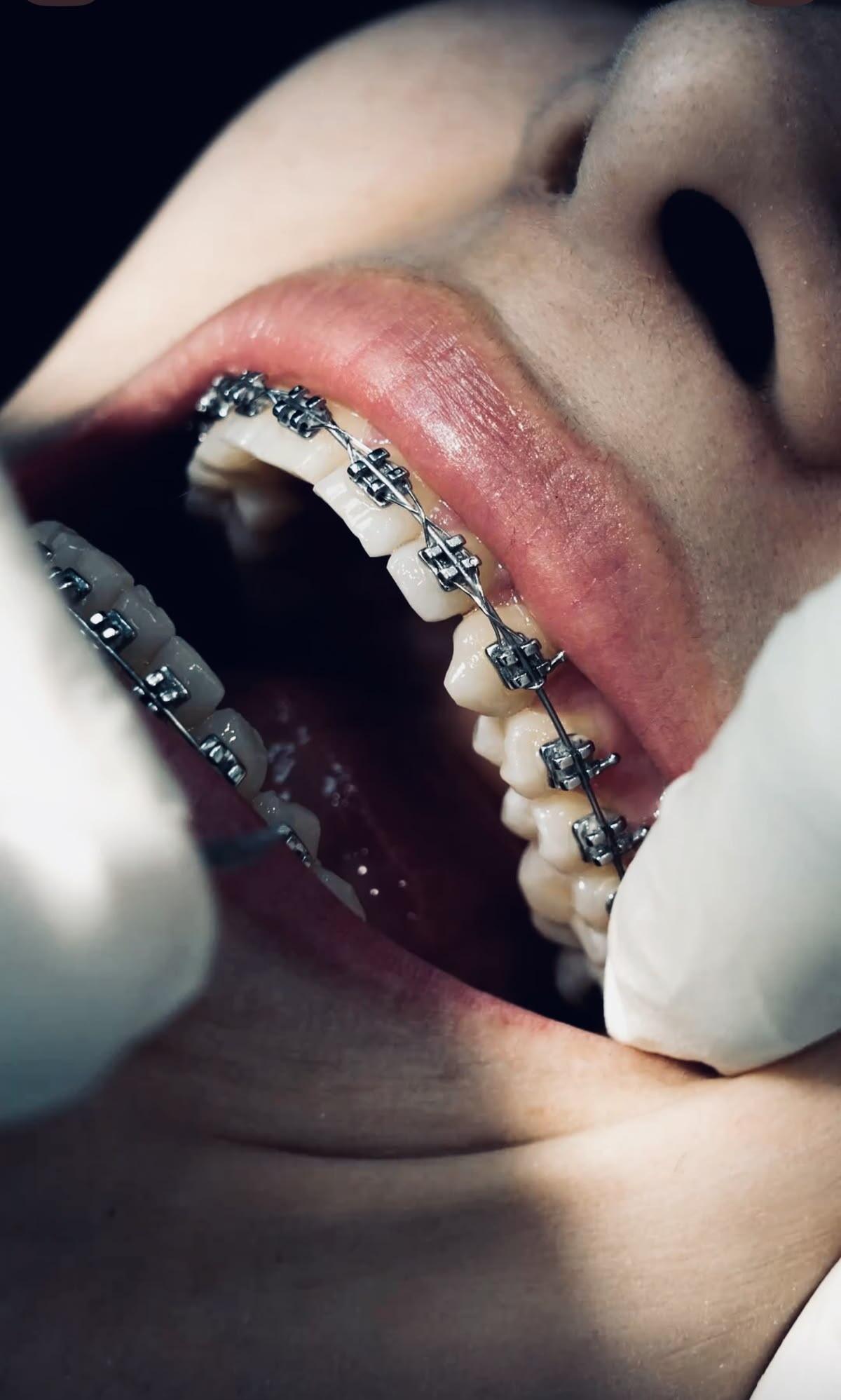
The orthodontist reviews tooth development, bite, spacing and oral health. Some children may only need monitoring, while others may benefit from treatment.
The visit includes a discussion with the parent, an examination and, when needed, photographs or imaging. The clinician explains whether to begin treatment or plan later reviews.
Not every child needs orthodontic treatment, and not every concern requires immediate intervention. The plan and duration depend on individual development and needs.
Reviews and daily care help monitor development and oral health. The clinician provides guidance suited to the child's age and appliance.
The right time depends on the child's development. A parent can request an assessment if they have concerns about the bite or tooth alignment.
No. After an assessment, the clinician may recommend treatment, periodic reviews or no intervention.
General information, not a diagnosis or individual plan. Treatment is determined after consultation.