Palatal mini-screws: stable support for impacted canines
When a canine stays impacted and other teeth must move too, palatal mini-screws provide support. Dr. Doniano explains how.
By Dr. Doniano Xhanari
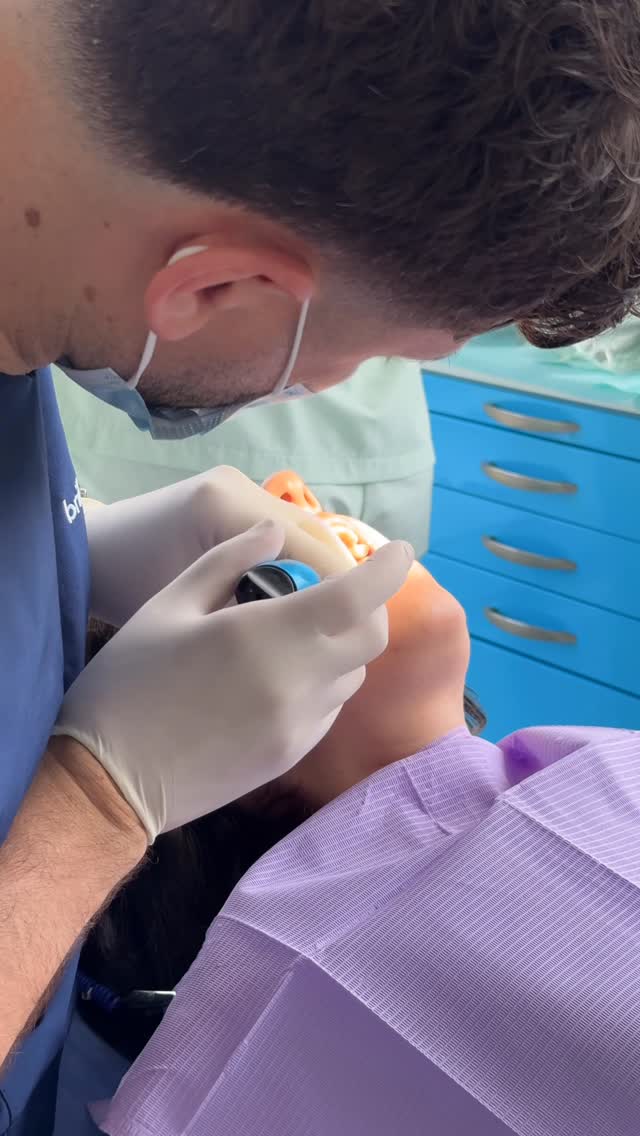
Canines that stay blocked inside the bone, without erupting into their normal position, are one of the problems Dr. Doniano Xhanari sees often in the clinic. Treatment becomes even more complex when other teeth also need to be moved at the same time to create the space needed.
Why mini-screws in the palate?
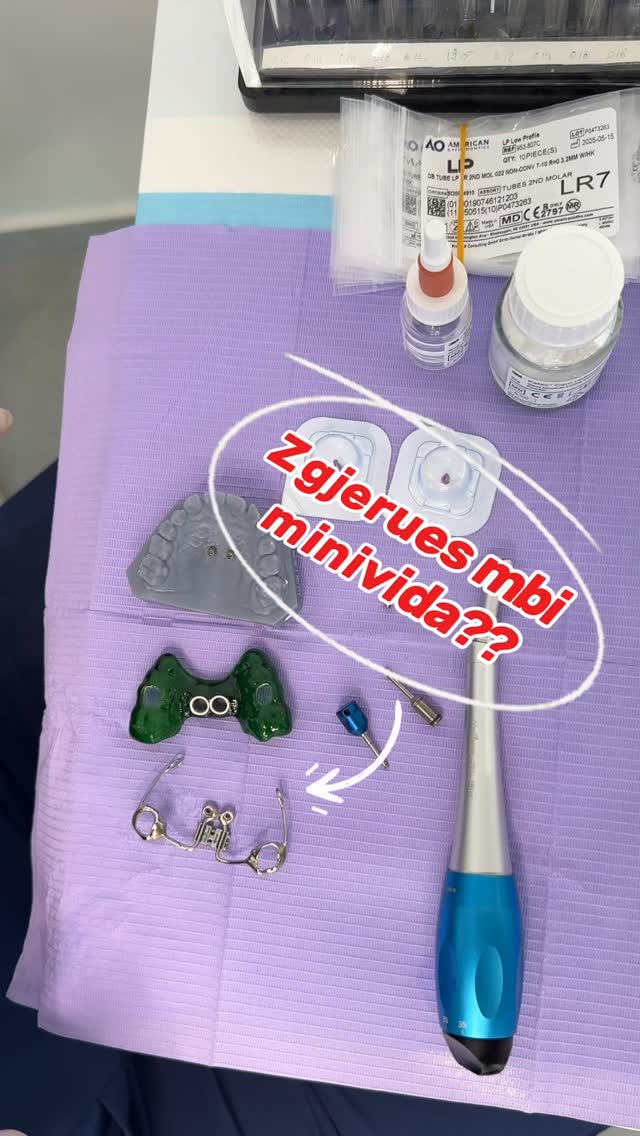
For this reason, Dr. Doniano uses orthodontic mini-screws placed in the palate, which provide very stable support. This makes it possible to pull the canine towards its place, move the other teeth as planned and minimise unwanted side effects.
The appliance in the same session as the exposure
In the case shown, the appliance was fitted in the same session as the surgical exposure of the canine. This way treatment could start straight away, shortening the path to the final result.
How long does placement take?
In another video, Dr. Doniano showed an expander being placed on mini-screws for a patient. According to him, it took only 10 minutes.
After the tooth comes in
Even once the canine reaches the arch, treatment isn't over. Dr. Doniano explains why in Impacted canines: why treatment isn't over once they appear.
Results vary from patient to patient. For a personal assessment, message us on WhatsApp.
Related reading
Anchorage is easier to understand by comparing appliances and plans. Read about three expanders and the connection between case analysis and professional education.
Gallery
Frequently asked questions
Why are mini-screws placed in the palate?
Because they provide very stable support, which allows the canine to be pulled into place and the other teeth to be moved while minimising unwanted side effects.
Can the appliance be fitted on the same day as the tooth is exposed?
In the case shown by Dr. Doniano, yes, and this allowed treatment to start straight away.