AI or the dentist: who should patients trust when diagnoses differ?
In DSHM Report, Dr. Doniano Xhanari spoke about AI in dental diagnosis: where AI helps and why the final decision stays with the doctor.
By Dr. Doniano Xhanari
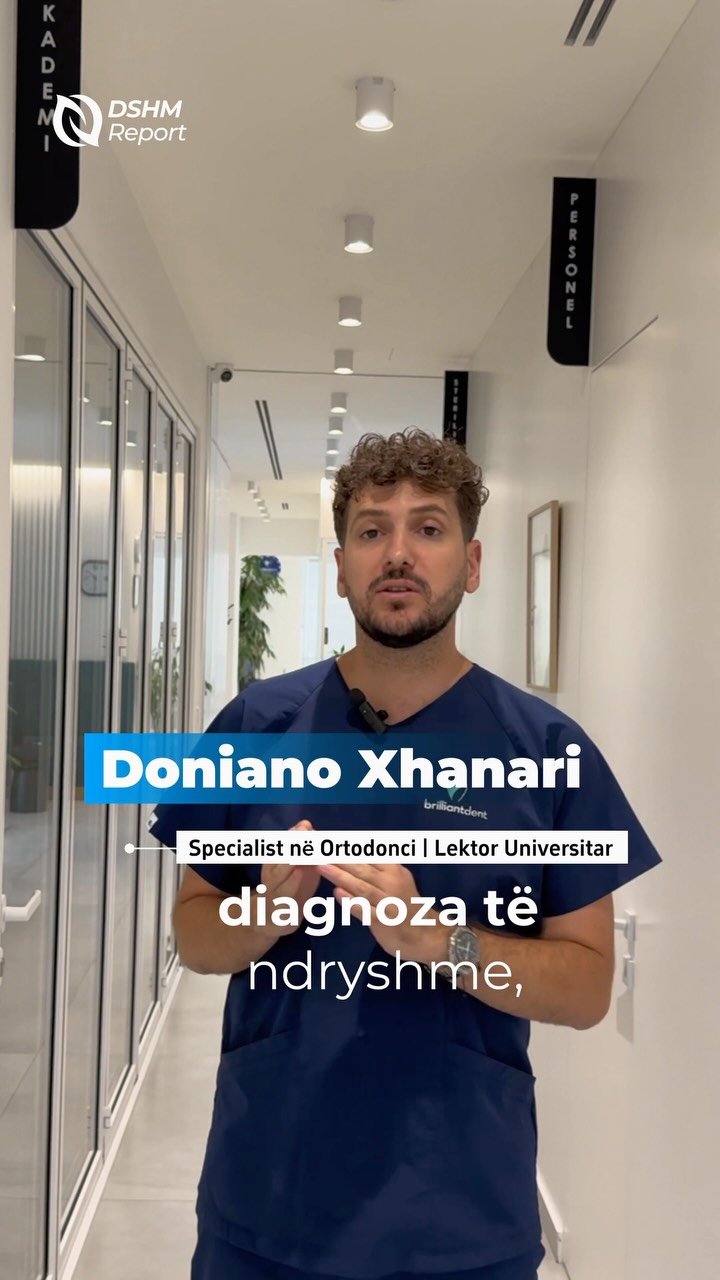
Two different diagnoses: one from the dentist, one from artificial intelligence. Who should the patient trust? With this question, DSHM Report by Dentistët Shqiptarë asked Dr. Doniano Xhanari for his view on the role of AI in dental diagnosis.
When the diagnoses don't match
According to Dr. Doniano, if AI and the doctor reach two different diagnoses, the most important question is not who is right or who is more capable. For him it is an alarm bell, and the question that matters most is why the two diagnoses don't match.
What AI does well
AI can analyse a great deal of data and find patterns or connections the human brain can't. But according to Dr. Doniano, the doctor's years of experience and the clinical examination of the patient matter far more.
AI as a second opinion
In this sense, AI works more like a second opinion, much like consulting a colleague who can help with the diagnostic decision.
"In the end, the responsibility stays with the doctor alone, because we treat patients, not data." — Dr. Doniano Xhanari
What this means for you
Technology helps with diagnosis, but the decision about your treatment is made by the doctor, after a clinical examination and a conversation with you.
Related reading
Technology needs interpretation and clinical reasoning. This also connects patient care with professional education and case discussion.
Frequently asked questions
Can AI replace the dentist in diagnosis?
According to Dr. Doniano, no. AI can analyse a lot of data and act as a second opinion, but the doctor's experience and the clinical examination matter more, and the responsibility stays with the doctor.